
The CARA Code: Unlocking Influence Through Human Connection

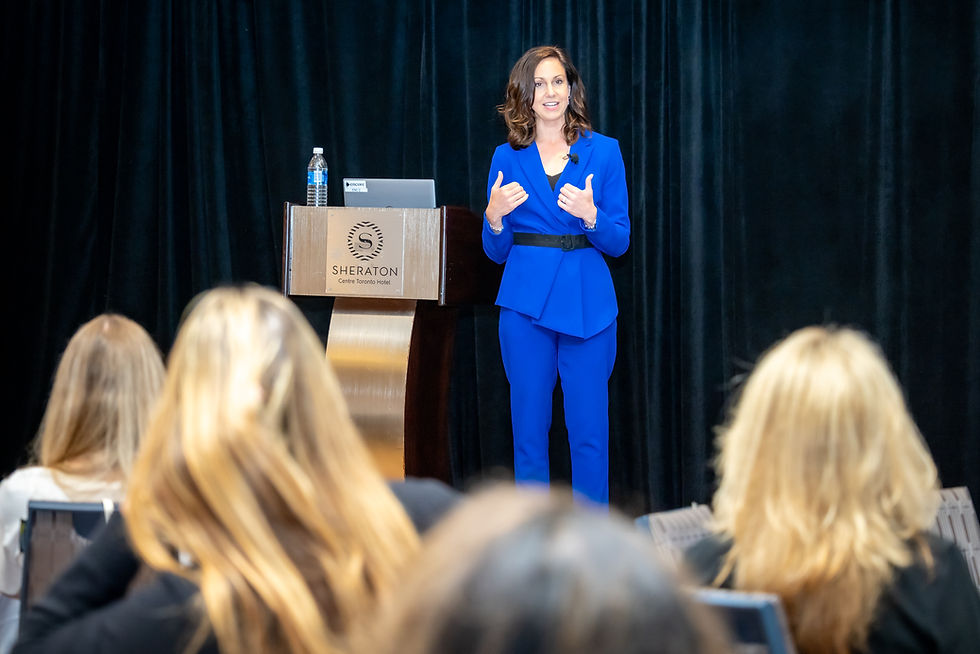
The meetings and events industry is built on experiences.
We carefully design environments that shape how people feel. We think about room sets, menus, lighting, music, technology, attendee flow, and countless other details because we understand that the experience matters just as much as the content itself.
Yet one of the most influential parts of any event experience is rarely listed on a planning timeline.
It's the conversations.
Whether you're working with a client, leading a team, collaborating with a supplier, engaging volunteers, or networking at a conference, every interaction creates an experience. Long after attendees have forgotten what was served at lunch or which breakout session they attended, they'll remember how people made them feel.
Conversations Have a Rhythm
As a classically trained pianist, I've always been fascinated by the way music creates emotion.
A great piece of music doesn't begin with its most powerful moment. It unfolds. It captures attention, builds anticipation, creates tension and release, and ultimately leaves the listener feeling something.
The best conversations follow a similar pattern.
Over the years, I've come to think of conversations as compositions. Like music, they have a rhythm. They build. They create anticipation. And when handled well, they leave a lasting impression.
This observation led me to develop what I call the CARA Code: Curiosity, Attunement, Resonance, and Amplification.
While the framework is simple, its impact can be profound because it focuses on something many professionals overlook. Influence isn't created through expertise alone. It's created through the experience people have when they interact with you.
Listening for What Matters
Every meaningful conversation begins with curiosity.
In our industry, it's easy for conversations to become transactional. We discuss timelines, budgets, room blocks, contracts, and deliverables. Those conversations are important, but they rarely build the kind of trust that leads to long-term partnerships.
Trust begins when we move beyond logistics and become genuinely interested in the person sitting across from us.
Years ago, I started asking clients different questions. Instead of focusing exclusively on what they needed, I became curious about why it mattered. What would success look like for them personally? What concerns were keeping them up at night? What pressures were they facing that weren't written in the RFP?
The quality of the conversation changed almost immediately.
People often assume curiosity is about gathering information. In the CARA Code, curiosity communicates value. It tells the other person, "You matter enough for me to want to understand you."
But curiosity alone isn't enough.
Many of us ask great questions and then immediately begin thinking about what we're going to say next. We hear the words, but we miss the meaning.
That's where attunement comes in.
Attunement is the ability to listen beyond the surface. It's noticing the excitement in someone's voice when they talk about a new initiative. It's recognizing hesitation when discussing a budget concern. It's hearing what isn't being said as much as what is.
Musicians do this naturally. They are constantly listening and adjusting to one another. If one performer changes tempo or dynamics, the others respond. The music stays connected because everyone is paying attention.
The same thing happens in conversations.
When people feel that level of attention, their guard begins to come down. They stop wondering whether you're waiting for your turn to speak and start feeling confident that you're truly listening.
And that's where resonance becomes possible.
Creating Moments That Last
Resonance is the moment when someone feels understood.
You can almost see it happen. Their shoulders relax. Their expression changes. Sometimes they respond with a simple phrase like, "Exactly," or "That's what I've been trying to say."
What's interesting is that resonance doesn't require agreement. You don't have to solve someone's problem or share their perspective. You simply need to demonstrate that you understand their experience.
In leadership, client relationships, and team dynamics, this is often the moment when trust deepens. People become more open to ideas, feedback, and collaboration because they feel seen before they feel persuaded.
This is a beautiful connection. But I’ll be honest, I’ve noticed that we tend to rush past these moments.
We have another meeting to attend. Another email to answer. Another problem to solve.
That's why the final step, amplification, may be the most overlooked.
In music, motifs – or themes – often return throughout a composition. A melody introduced early in a piece reappears later, creating familiarity and emotional depth. Because the listener recognizes it, the music carries greater meaning.
Relationships work the same way.
Amplification happens when you revisit something that matters. You remember a challenge someone mentioned weeks ago. You follow up on an important goal. You acknowledge a contribution publicly. You connect a future conversation to something previously shared.
These moments communicate a powerful message: "I heard you, and I remembered."
For many people, that simple act is surprisingly rare. And its impact is immense.
Influence Is an Experience
The meetings and events profession has always been about creating memorable experiences. We do it every day for attendees, clients, sponsors, and stakeholders. Yet some of the most meaningful experiences we create aren't found in a ballroom or on a stage.
They're found in ordinary conversations.
The professionals who build the strongest client relationships, lead the most engaged teams, and create the greatest influence often aren't the loudest voices in the room. They're the people who make others feel valued.
They lead with curiosity. They listen with attunement. They respond with resonance. And they strengthen relationships through amplification.
Because influence isn't simply about what you know. It's about how people experience you.
And every conversation is an opportunity to create an experience worth remembering.



Comments